
Early access status
ABOUT & TEAM
Built by founders obsessed with the decision behind the plan.
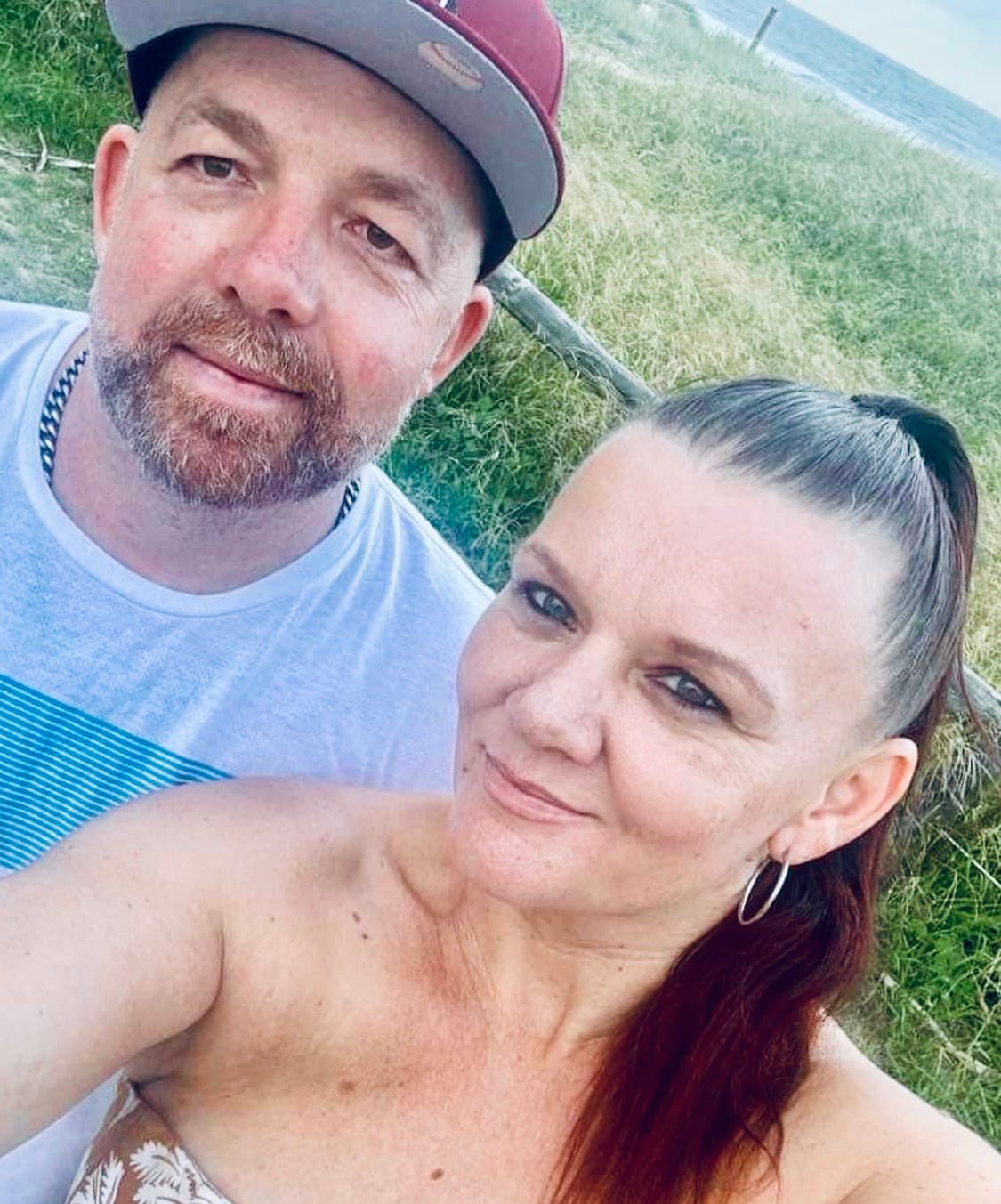
FlexForce X was created by Joanne Weston and Peter Weston to solve a practical performance problem: static plans fail when real life changes.
The product turns training context, nutrition needs, readiness, preferences, restrictions, available wearable signals, and daily check-ins into clearer guidance across the day, with rules-based safety controls.
Product and safety review
Privacy and legal notices
Broader release after beta evidence
WHY WE EXIST
Execution beats static planning.
Most fitness products tell people what they were supposed to do. FlexForce X focuses on what the system should do now, given the person, the signals, the constraints, and the risk profile in front of it.
Multi-agent training, nutrition, recovery, sleep, schedule, and behaviour orchestration.
User context and wearable-informed daily adaptation.
Safety holds, conservative guidance, and explainable re-planning.
Commercial pathways for consumers, coaches, gyms, teams, and wellness partners.
FOUNDING TEAM
Two founders, one performance decision system bet.
Joanne Weston
Co-Founder & CEO
Leads company strategy, product vision, capital raising, and the fitness decision engine roadmap. Owns the safety-first architecture mandate and operating cadence behind the product.
Peter Weston
Co-Founder & BD Lead
Drives commercial growth, partnerships, and revenue development across D2C, gym-chain pilots, and early enterprise and insurance conversations.
OPERATING PRINCIPLES
The product is shaped by a few hard rules.
Human performance needs orchestration
Training, nutrition, recovery, sleep, schedule, and psychology should resolve through one coherent decision layer instead of disconnected apps.
Reality changes the plan
A useful system adapts when readiness drops, travel hits, a session moves, or available signals suggest a conservative decision.
Personalisation starts with context
Goals, schedule, preferences, restrictions, check-ins, and wearable signals can shape guidance around the person.
Trust requires a trace
Important recommendations need clear inputs, constraints, rationale, and a review record so users and partners can understand the decision.
Infrastructure first. Consumer experience on top.
Safety checks, review records, context-aware decision logic, and partner pathways are part of the company story because they are part of the product architecture.